
Hello,
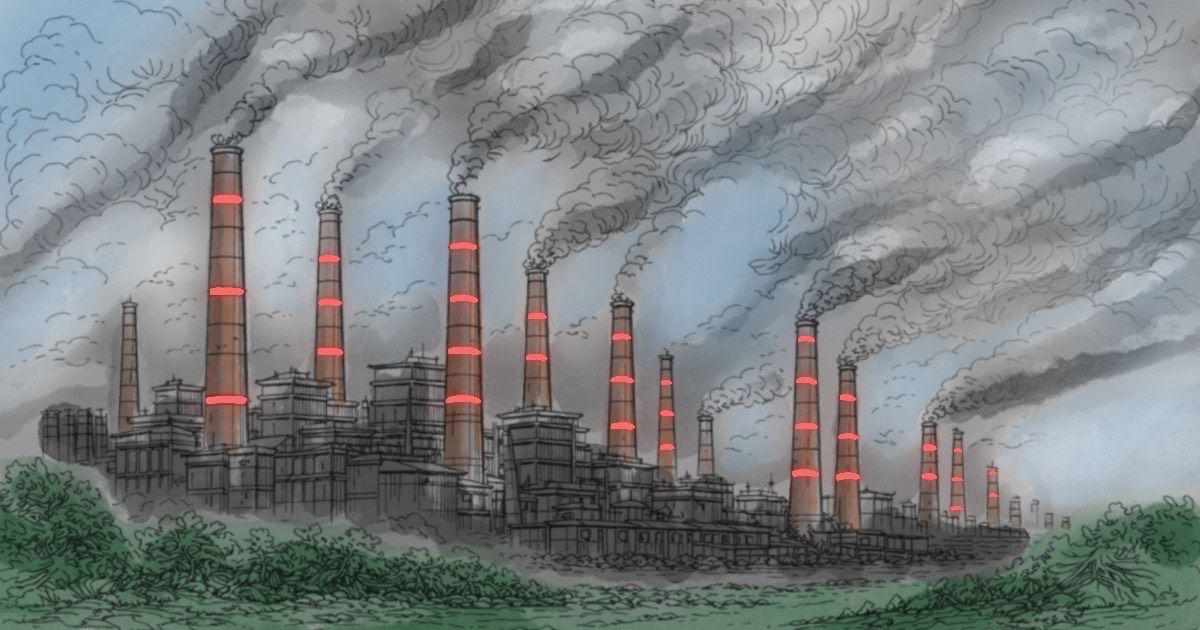
In June, an ammonia leak at a seafood plant in Tiruvallur in Tamil Nadu killed 18 workers. The workers, all women, were migrants from far across the country, from states such as Jharkhand, Odisha and Assam. Fourteen were from one Adivasi community in Odisha.
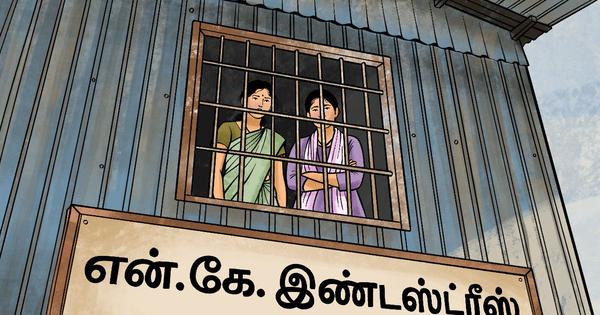
The tragedy made national news for a few days, before fading from attention – but a key aspect of it remained largely unexamined. The women died because they had been housed in quarters at the plant, an arrangement that left them exposed to immense dangers.
As Johanna Deeksha found, reporting from Chennai and Tiruvallur, such arrangements are widespread across industries. Many migrant workers live within or adjacent to factory sites, which not only leaves them vulnerable in accidents, but also cuts them off from the society around them. In times of tragedy, activists said, they face huge hurdles in accessing the workers to offer assistance.
"Ideally, 14 people from a single Adivasi community dying at their workplace should have sent shockwaves through the country," Deeksha said. "But what I found during my reporting is that the migrant worker is often invisibilised by a system that isolates them from the world and then exploits them, cutting off the worker's access to any forms of help or redressal."
You can read the story here.
And you can support more such in-depth ground reporting by signing up as a member of Scroll.

Ajay Krishnan
Senior Editor
Follow the Scroll channel on WhatsApp for a curated selection of the news that matters throughout the day, and a round-up of major developments in India and around the world every evening. What you won’t get: Spam.












Write a comment ...