
Hello,
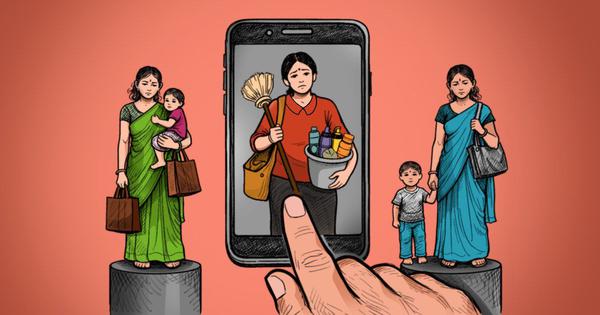
If you live in a major Indian city, there is a good chance that you have heard of Pronto and Snabbit.
The two apps, as well as Urban Company's Insta Help vertical, allow users to book the services of domestic workers as and when they need them, for the time they need, to carry out specific tasks. The apps have allowed users to be less dependent on regularly employed workers, who one app's founder argued, were unreliable.
Many workers have shifted to the new platforms, finding that their earnings were significantly higher through them.
But as Nolina Minj found, speaking to around 35 workers in Mumbai, they also faced old and new challenges on these apps.
Among these was a lack of transparency over how their earnings were determined by the apps' algorithms. They also said they were often forced to overwork, and unable to take time off to recover from illnesses, or to care for their families.
"In initial conversations, workers usually spoke about how there were no other avenues for work that would pay them as much," Minj said. "Unfortunately, researchers have observed that this is how platform companies operate. They have low prices for customers and high wages for workers initially, but as soon as the market stabilises, the workers' incomes drop."
She added, "All of these apps have branded themselves as empowering women workers through algorithm-driven gig work. But interviews revealed that the entanglements of class, caste and religion persist in exploitative ways."
You can read the story here.
And you can support more such in-depth reportage by signing up as a member of Scroll.
Ajay Krishnan
Senior Editor
Follow the Scroll channel on WhatsApp for a curated selection of the news that matters throughout the day, and a round-up of major developments in India and around the world every evening. What you won’t get: Spam.



















Write a comment ...