Hello,
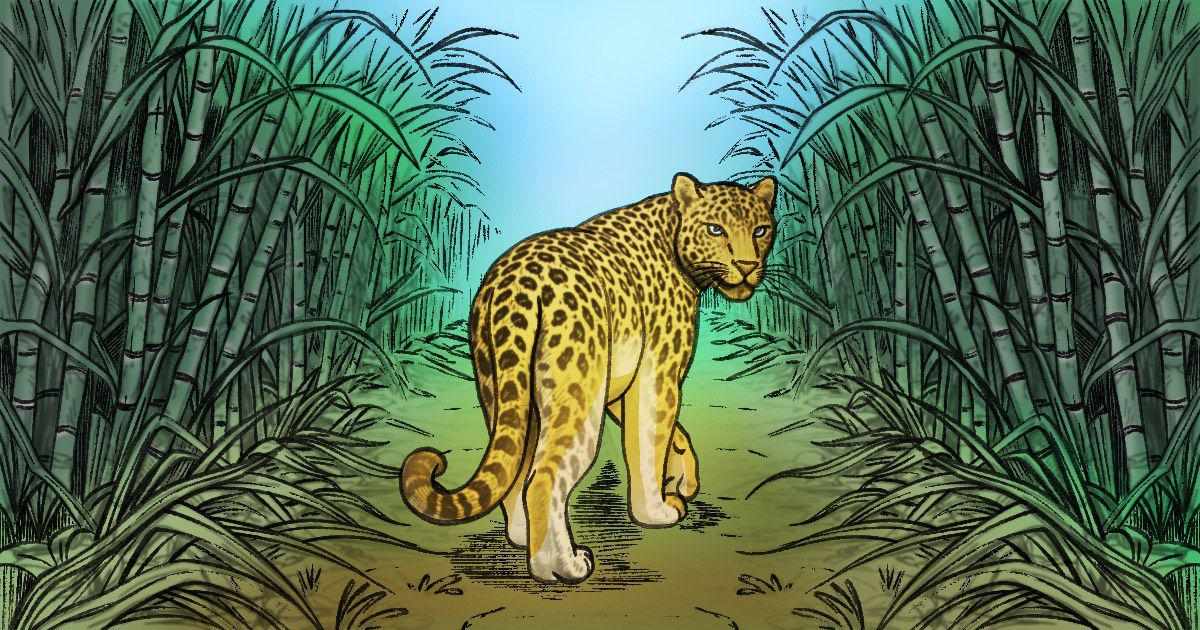
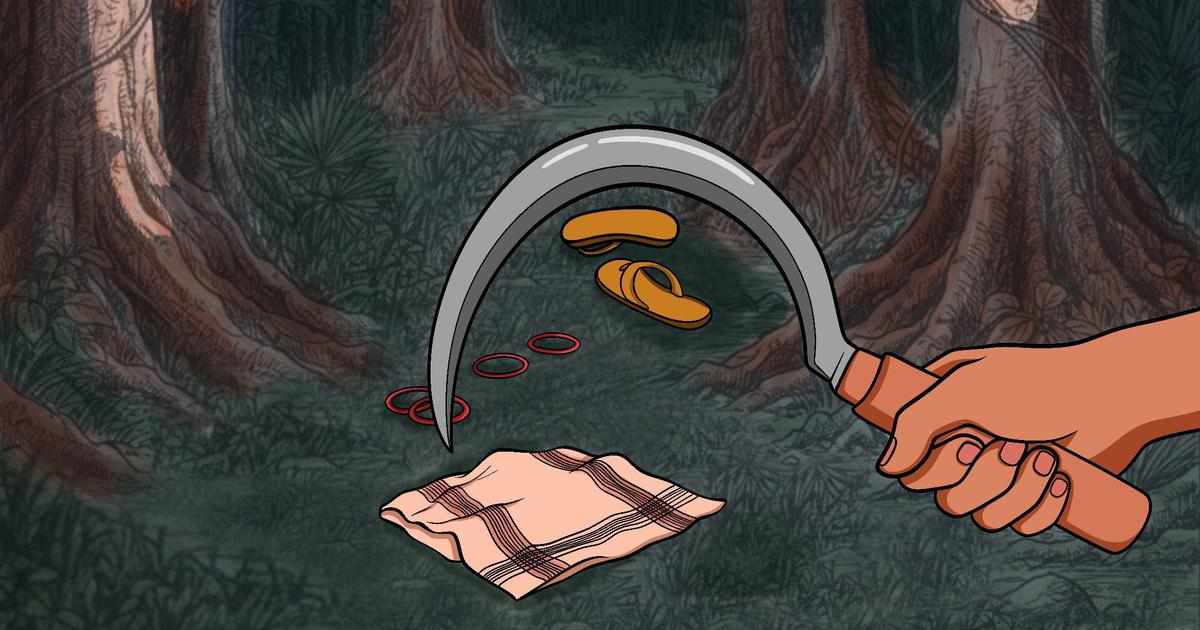
Junnar in Maharasthra is dotted with lakes, waterfalls and lush valleys. But the picturesque taluk has been in the news in recent months for a far more grim reason – its residents are gripped with fear after a spate of leopard attacks claimed the lives of five residents in 2025.
But why is Junnar in particular seeing such a heightened conflict between humans and leopards?
Tabassum Barnagarwala and Vaishnavi Rathore report on the complex web of factors that lie beneath the problem. Accounts from the ground and conversations with experts revealed that the roots of the conflict can be traced back several decades, to the 1970s, when sugarcane farms began to spread in the region. The dense crop, they discovered, combined with the easy availability of prey offered the perfect conditions for the animal to thrive, and for its population to grow.
Now, villagers fear an attack every time they step out of their home, even as the forest department struggles to find a scientific solution to the problem.
"Life in this rural landscape is in stark contrast to other places, where you see people sleeping outdoors and spending an entire day in their farms," Barnagarwala said. In Junnar, people are "always looking over their shoulder, rushing home before nightfall, and keeping their children indoors at all times", she added.
Further, she noted, "people are angry and forest officials have no concrete solutions to offer them".
You can read the story here.
And you can support more such in-depth ground reportage by signing up as a member of Scroll.

Ajay Krishnan
Senior Editor
Follow the Scroll channel on WhatsApp for a curated selection of the news that matters throughout the day, and a round-up of major developments in India and around the world every evening. What you won’t get: Spam.














Write a comment ...